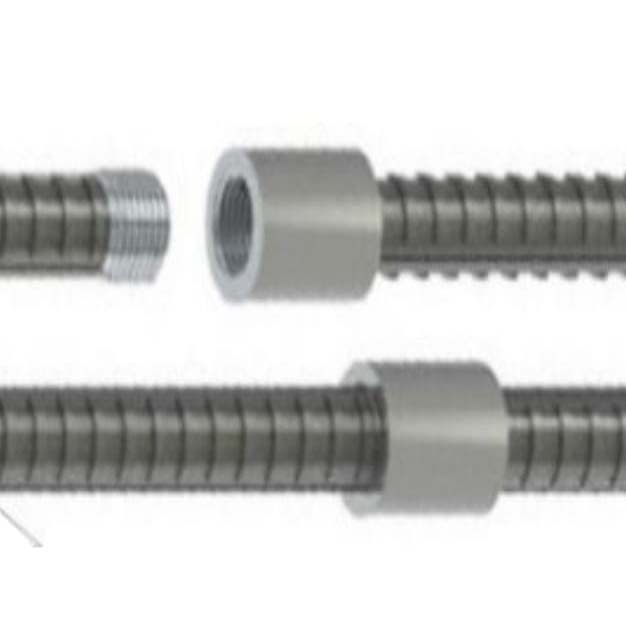
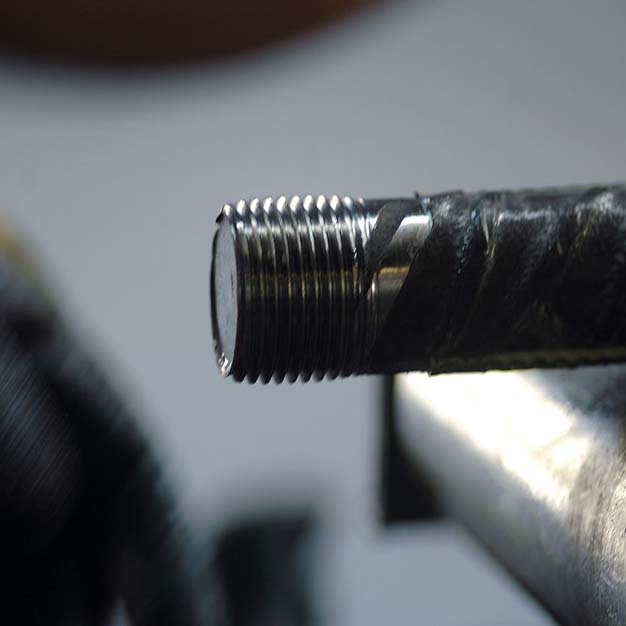
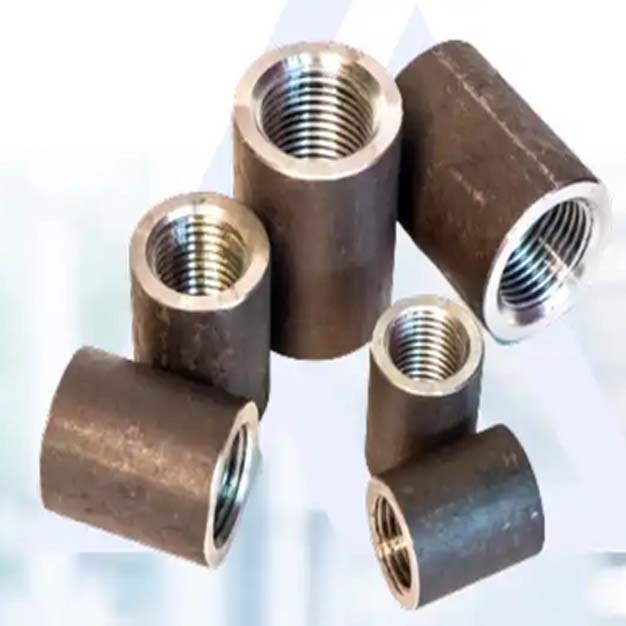
Rebar couplers are indeed components designed to connect two reinforcing bars (rebars) in the longitudinal direction, creating a mechanical splice. This mechanical splicing method serves as an alternative to lap splices or welded connections. Here's a breakdown of the key points:
1. Rabar Couplers
- Rebar couplers are mechanical devices that facilitate the connection of two reinforcement bars. They are designed to provide a secure and reliable joint between the bars.
- The use of rebar couplers eliminates the need for traditional lap splicing, where bars overlap, or welded connections, offering a more efficient and often cost-effective solution.
2. Mechanical Splices
Mechanical splices, facilitated by rebar couplers, offer several advantages in construction projects:- Avoidance of Protruding Bars: Mechanical splices allow for a more compact and streamlined connection, avoiding the need for bars to protrude from the concrete surface.
- Reduced Congestion in Confined Spaces: In construction projects with limited space, such as densely reinforced areas, mechanical splices help reduce congestion by eliminating the need for extended lap splices.
- Rebar Length Savings: Using mechanical splices instead of lap splicing allows for the use of shorter lengths of rebars, leading to material savings and more efficient use of resources.
Advantages of Rabar Couplers
- Rebar couplers can reduce construction time.
Traditional rebar connection methods involve overlapping or threading of rebar, which can be very time consuming and require skilled labor. With a rebar coupler, the process is much easier and faster. The sleeve is inserted into the end of both bars and the locking bolt is tightened to secure the joint. This can be done quickly and easily, even by unskilled workers. The time saved during construction translates into significant cost savings for the project.
- Rebar couplers can improve safety on the job site.
Traditional rebar connection methods can be dangerous because they involve cutting, welding or using open flames to connect rebar. These methods require skilled labor and carry a high risk of accidents. With rebar couplers, none of these methods are required. The sleeves are simply inserted into the ends of the two bars and secured in place with locking bolts. This eliminates the need for any welding or open flames, making the job site much safer for workers.
- Rebar couplers can improve the quality of rebar connections.
Traditional connection methods can lead to weak joints that can jeopardize the structural integrity of the building. When using rebar couplers, the connections are stronger and more durable. Couplers provide a continuous connection between two reinforcing bars, making it a stronger joint. This improves the structural integrity of the building and ensures it lasts longer.
- Rebar coupler saves steel.
Traditional rebar connection methods require the use of longer bars to accommodate overlapping or threaded connections of reinforcing bars. This results in wasted steel and is costly. With a rebar coupler, there is no need to overlap or thread in the rebar. The coupler allows the use of shorter rebar, thus saving material costs and reducing waste.